This is a constantly growing collection of all the joy tools we used in the trainjoy trainings.
Categories
- Give you a reason not to judge yourself (exhausted state, …)
- Get into or keep you in a state of observation
- Break a “when is it over” thought-spiral.
- Preparation for training in a better state
The three bodies
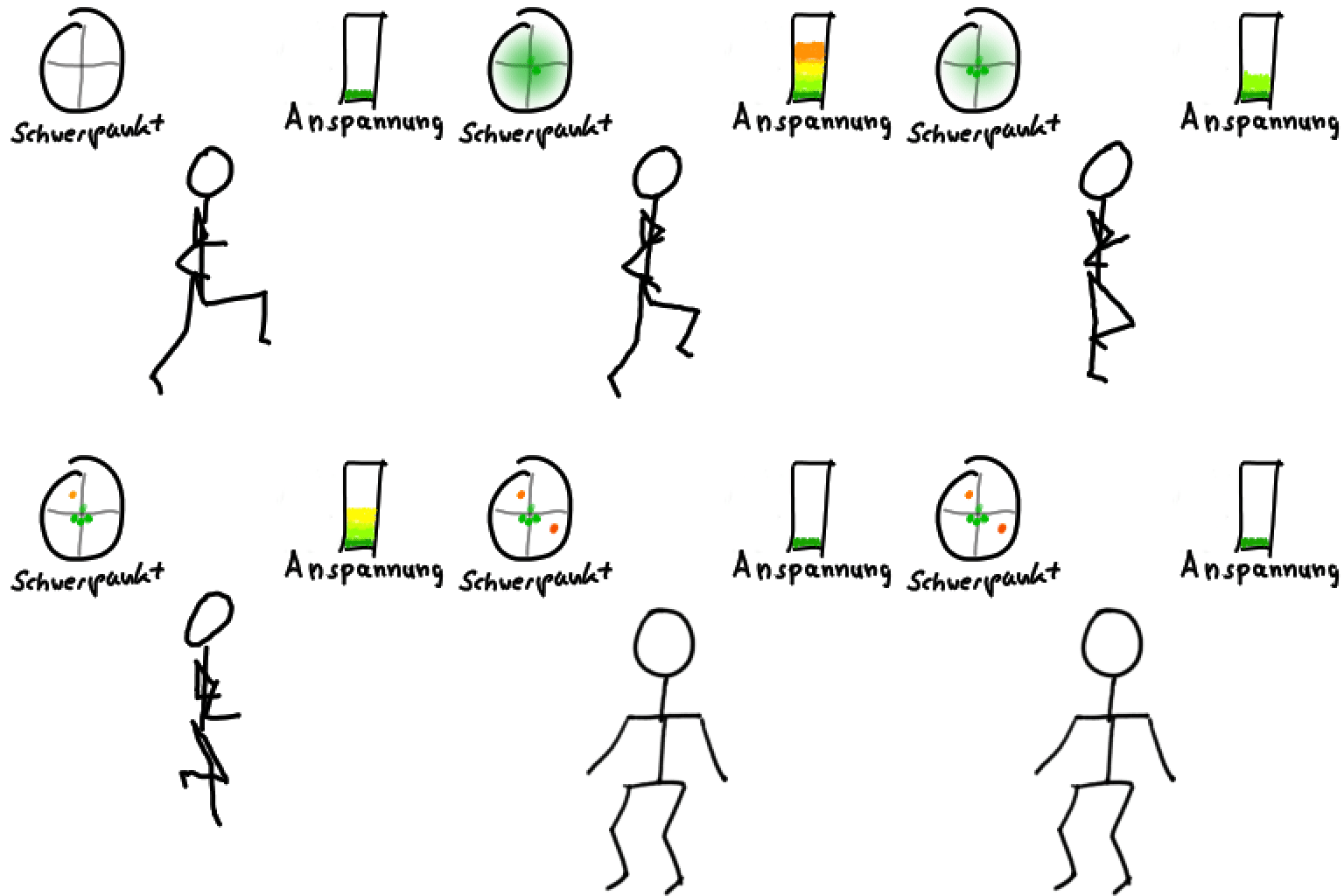
This exercise sounds far more esoteric as it is. Be aware that you are at your best if the physical body and the imagined (seen/felt) body are close to each other and you are fully aware of how your real body feels.
- Stand, close your eyes. Feel your body. Try to forget the outline of your body, focus just on the raw sensations, which are very unequally distributed and don’t necessarily care about your physical boundaries.
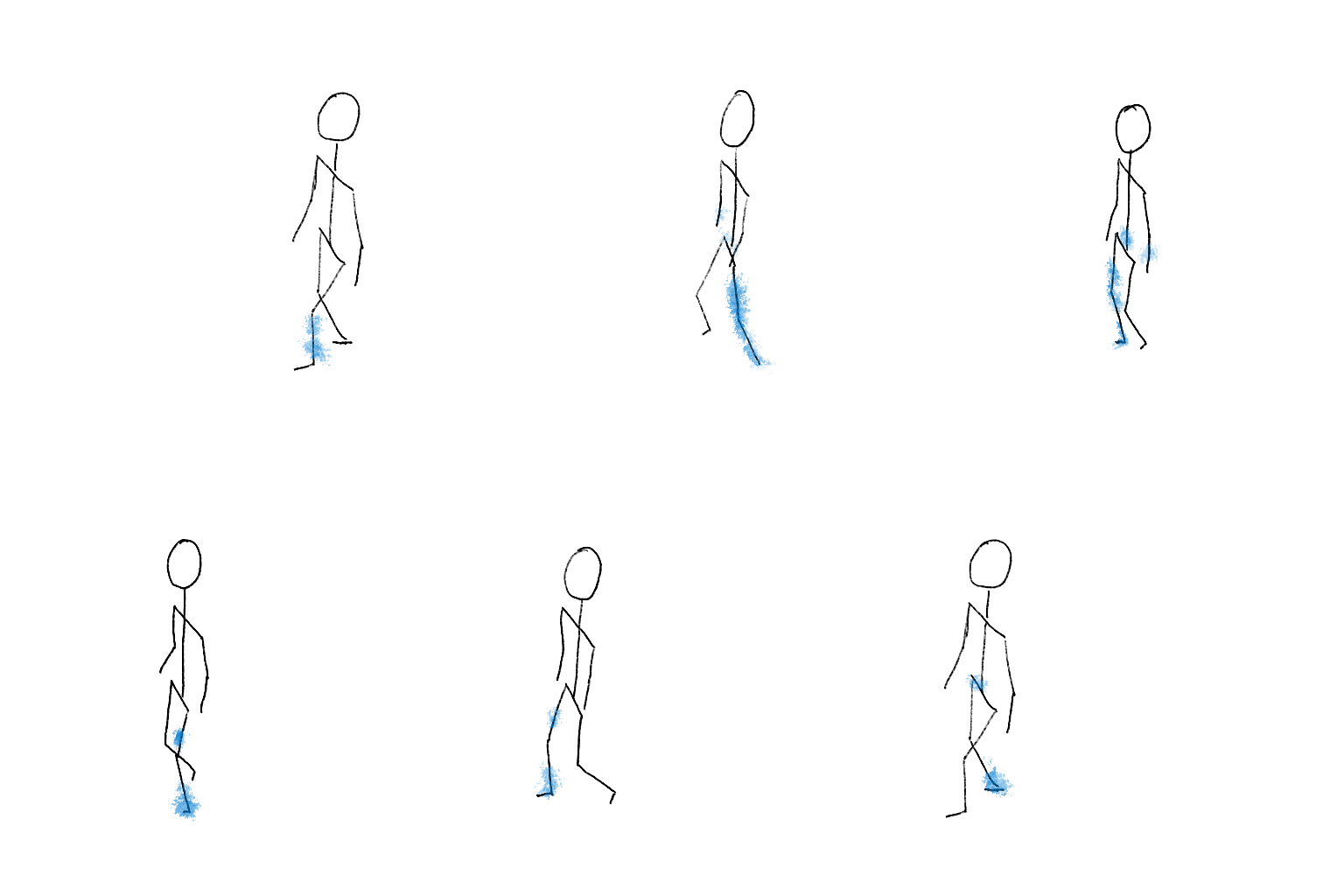
Next try to imagine the feelings of your body, when you walk. You have now two felt bodies – the real feelings and the imagined ones – and the physical one, which makes three.
Next start to imagine the feelings of your body in the exact same position it is at the moment. So the “two bodies” match. - “Move” the imaginary body slowly and let the physical body follow. Observe your real feelings
- Take the previous exercise further to walking, then to running or another exercise.
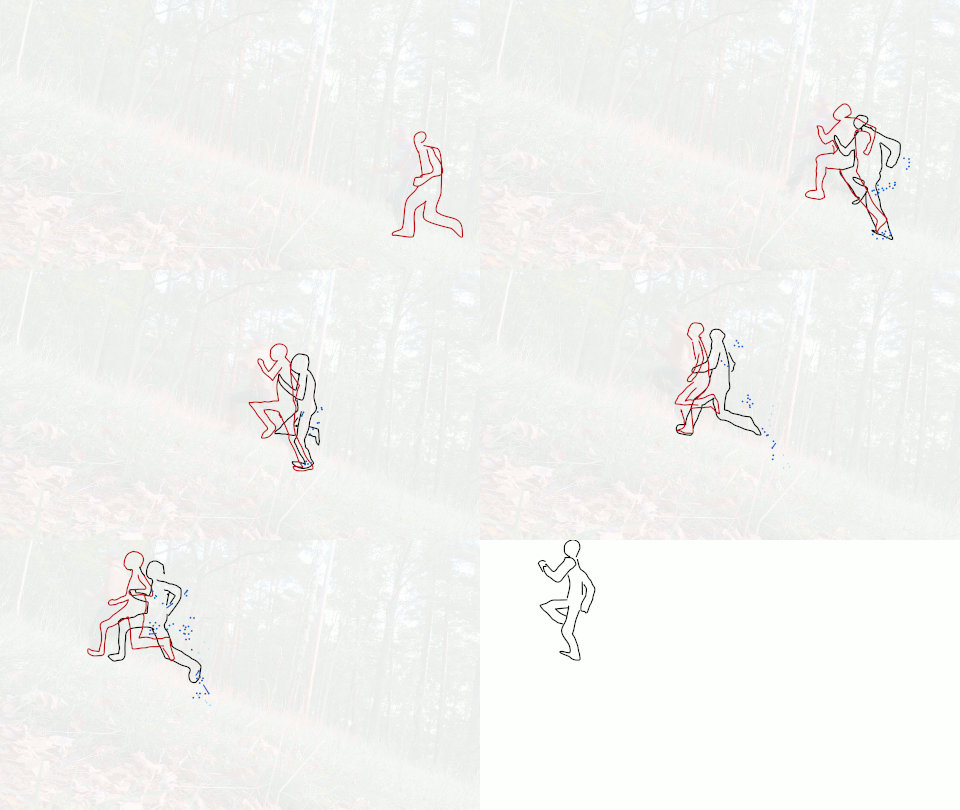
Posture of least effort
What we did before running. Move body in circles, find the posture most in-balance. These postures also exist on all fours or while carrying heavy weight.

Take balance with you
Try to take a balanced and effortless feeling into movement. In our case from standing to running. But can also be from lying to standing up.
Observe and stop when closing down
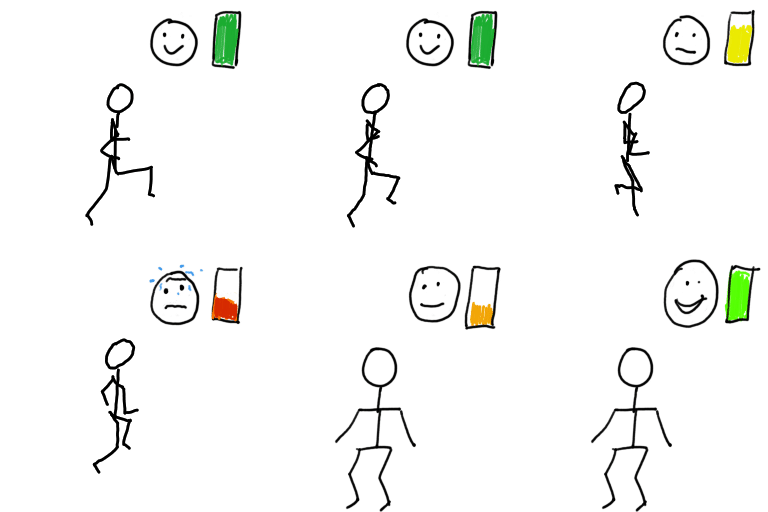
What we did with hillrunning. Start with “eyes wide open”. Observe your body and mind while increasing effort. Catch the moment when you start “closing down” (grimacing, pulling shoulders forward, stomping,…). Try to stay open as long as possible.
Flow Run
The concentration on the technique, the increased feel of competence in every round, the balancing, the change of tasks keeps you in the moment.
Exercise or tool?
Fully aware walking
Also called foxwalk. Very slow walking, with full consciousness. Fast enough so that the balance changes all the time, but slow enough that the feelings don’t fall behind, is a good technique to practice keeping the “three bodies” in sync.
In the apnoe exercise the fact that we do it without breathing amplifies the awareness.
Surrender
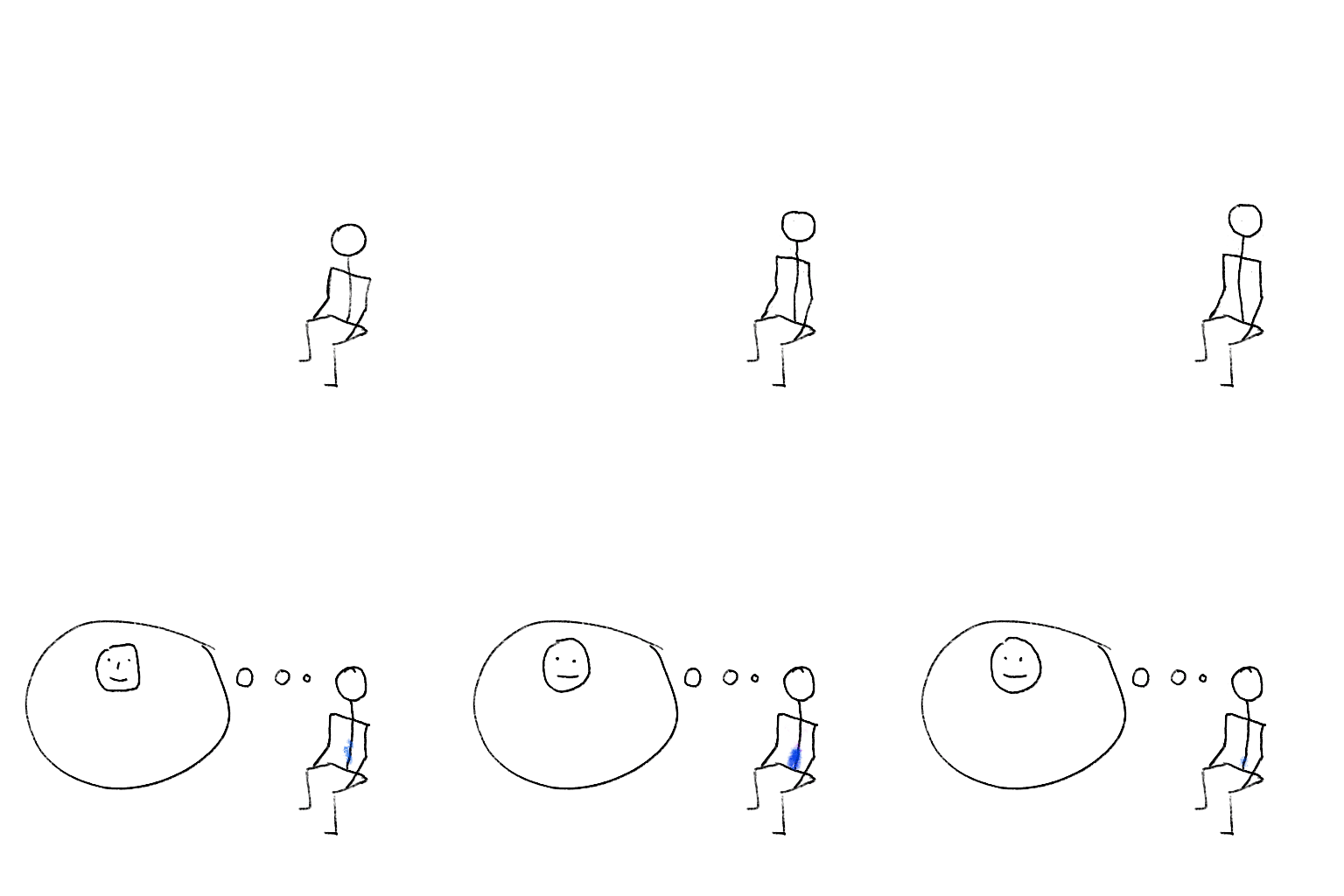
Both the apnoe techniques and the entering cold water target surrender. Cultivating the “observing what happens (without pressure)” can help build a habit of “feeling in and observing the situation” as soon as stressful situations arise, instead of panicking. The water stays cold without you doing something. You don’t have to “do” something like when running and you can fully focus on observing. And playing with the thoughts and feelings that arise.
As long as the technique is fine
This is important. The goal is not to go until you die or can’t stand the pain anymore, but to go until you can’ hold the technique anymore. If done right, you focus completely on the technique, bringing you into observing your body more than the question how far it still is. You go as long as you can go high quality.
The important part here is that you build a habit of high quality movement. No way to “just do what you have to do”. It forces a level of commitment, and this actually makes things more joyful.
Brain dump
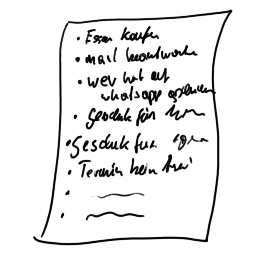
Write everything you ponder about or any unfinished trains of thoughts on a piece of paper. Put it in your pocket. You can continue after training (if its still important then)
Continuous attention
While doing the “intuitive run” we have to observe the environment at any moment, reacting quickly to obstacles. This keeps us in the right mode.
Same as “ever changing demand”?
Keep mindfulness
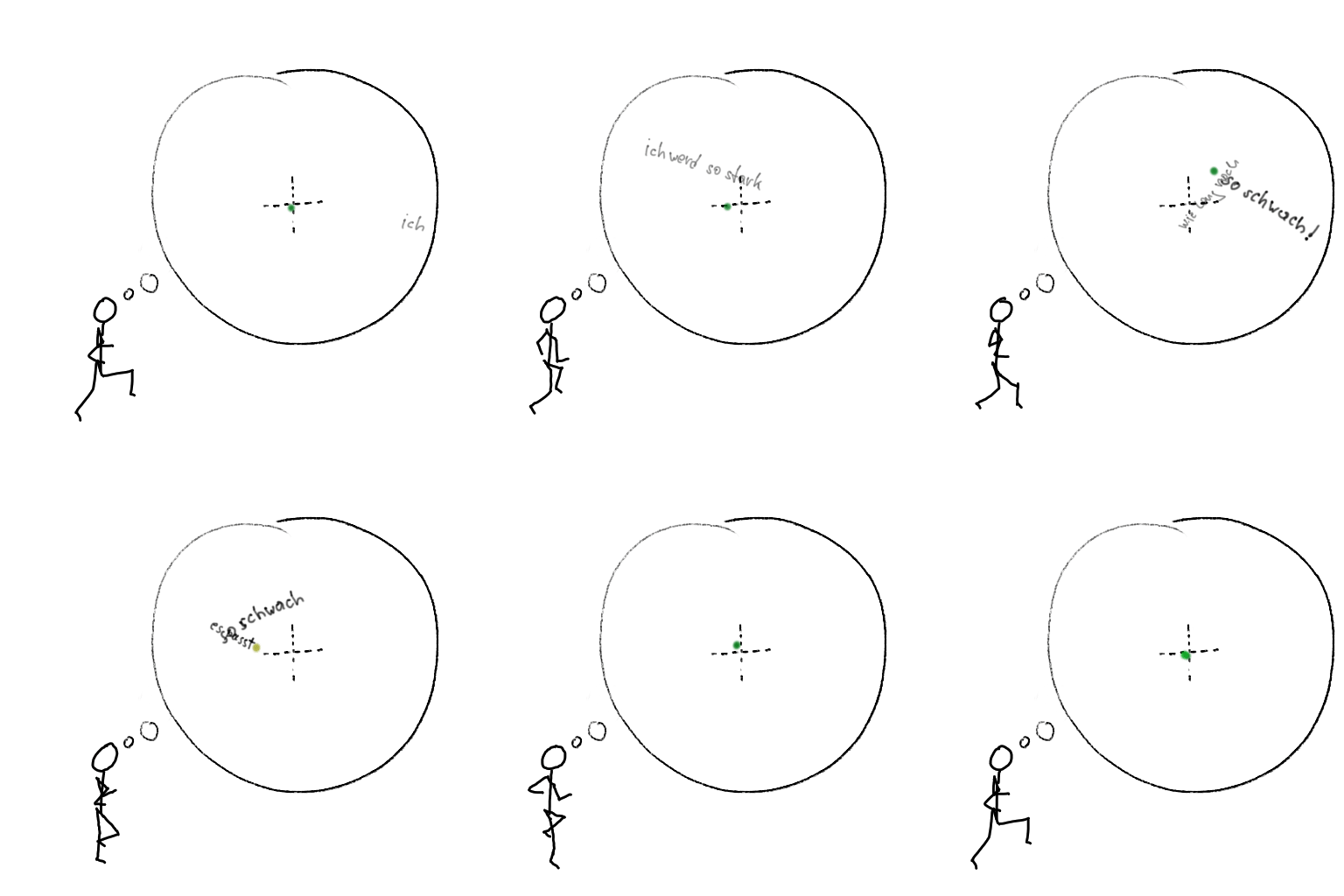
This is a hard one! When you are forced to do something where you can’t stop or do breaks. Your only chance here is to stay in the mode of mindfulness as good as possible. You may have noticed that while it gets difficult quickly, there comes a “second breath” after a while. When you can reach a “stable state” at a higher level of effort. And use your hard breath or the alternation of contraction and relaxation as anchor. Don’t be disappointed if it doesn’t work on first try, it requires practice and depends on daily condition. It is really important here (and an important habit to build) to stay your friend. Meaning use all your conscious attention to care for you, to encourage you, to support you. Sounds weird?
Observation break
Stop doing what you do, check your physical and mental status.
Paradox break
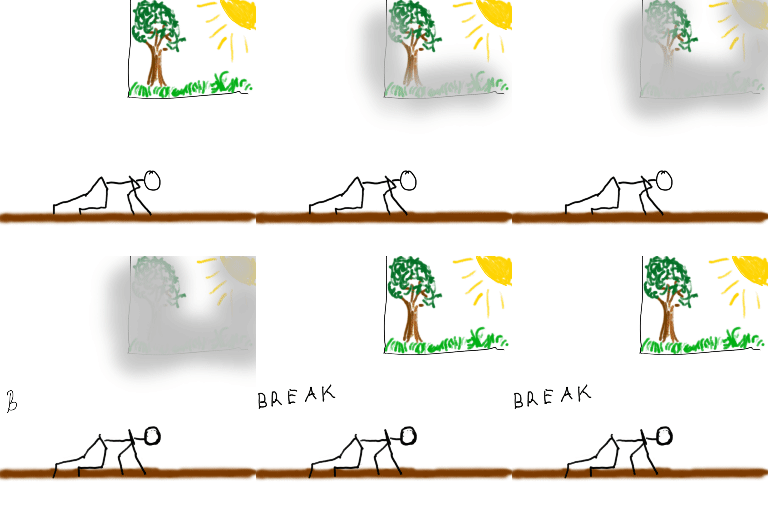
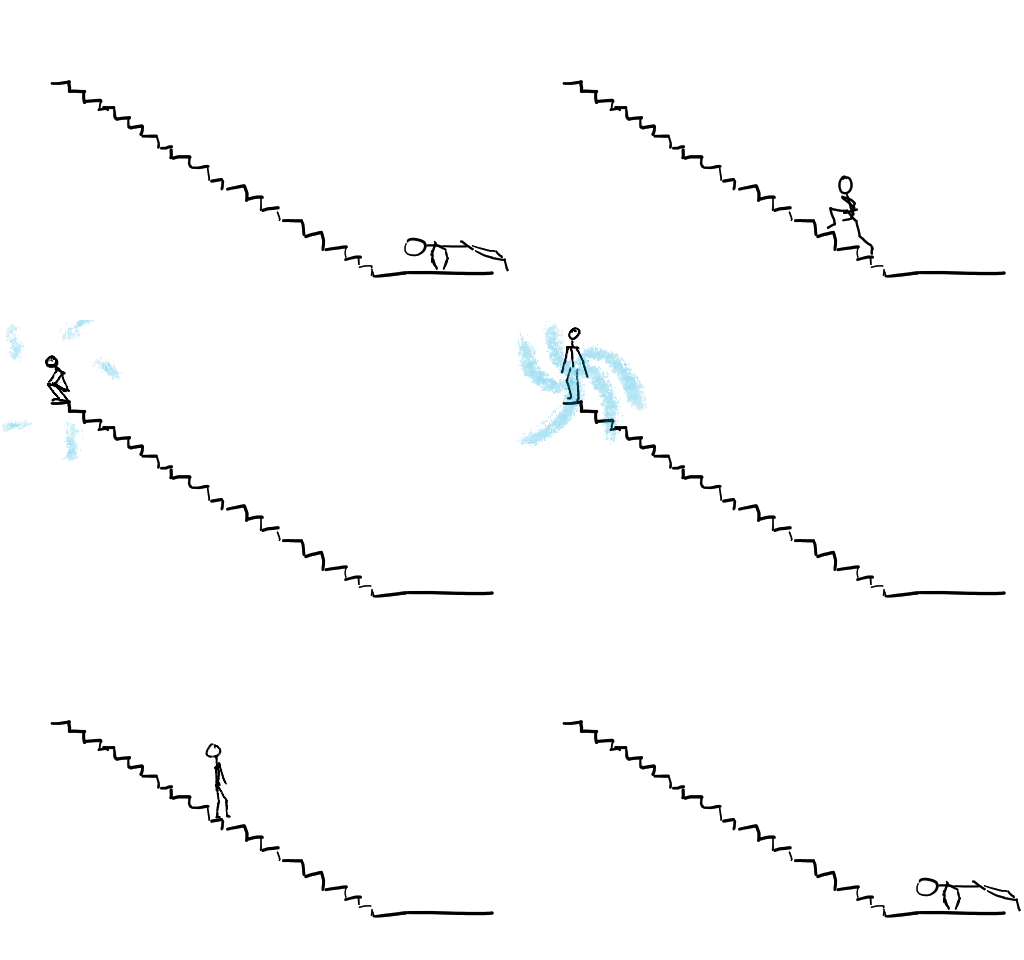
Break up monotony in an exercise by doing something which makes you loose control or orientation a bit. For example do a somersault while crawling on the floor. Enjoy the dizzyness or use the moment of disorientation for an observation break.
Quick change
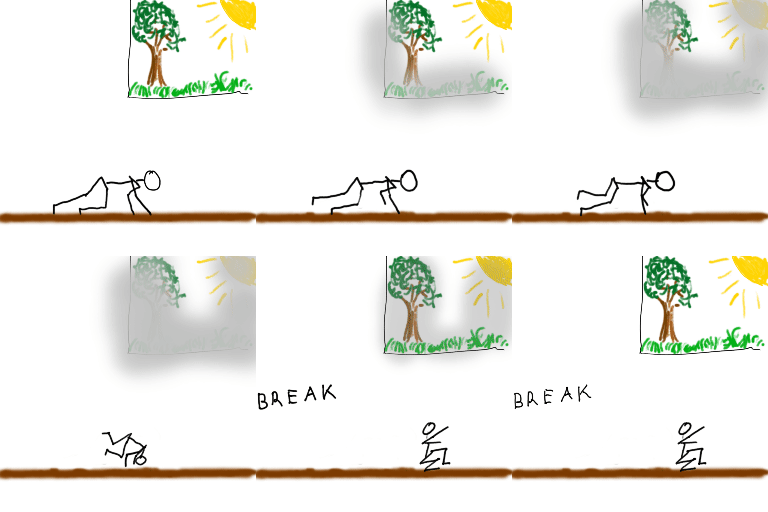
From the push ups to the sprints there is no break. You are well into sprinting before realizing what happens ;).
Use short relaxation as reward
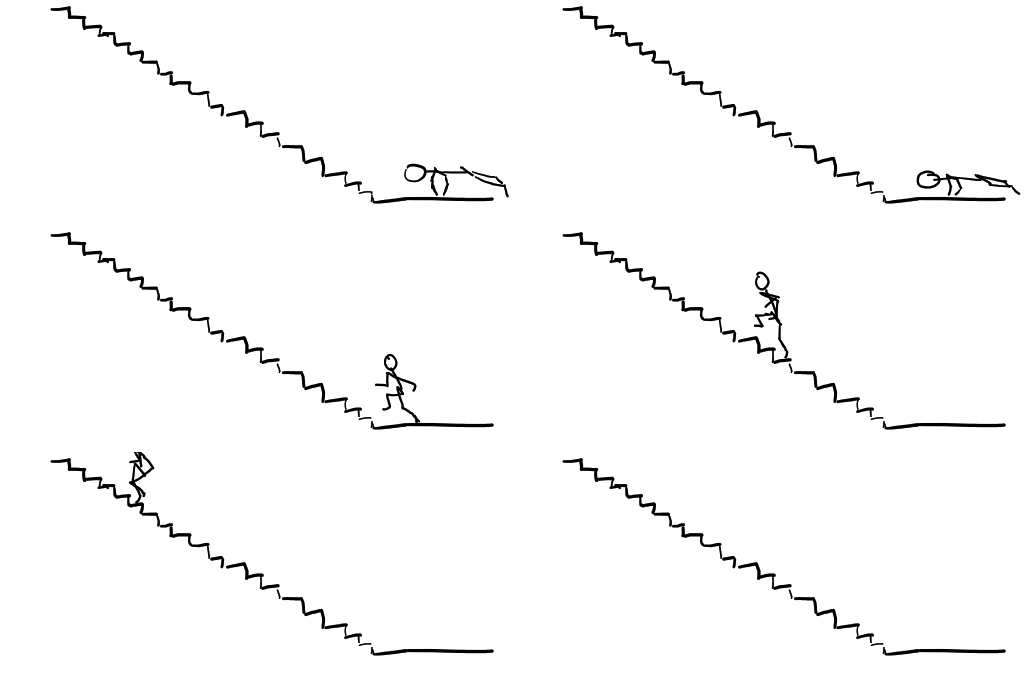
After the hill runs, we stood or sat for a few moments. Hear the heart beat, hear the sound of breath. Enjoy coming back into the comfort zone. Don’t skip this! We are in training and not on the run!
Ever changing demand
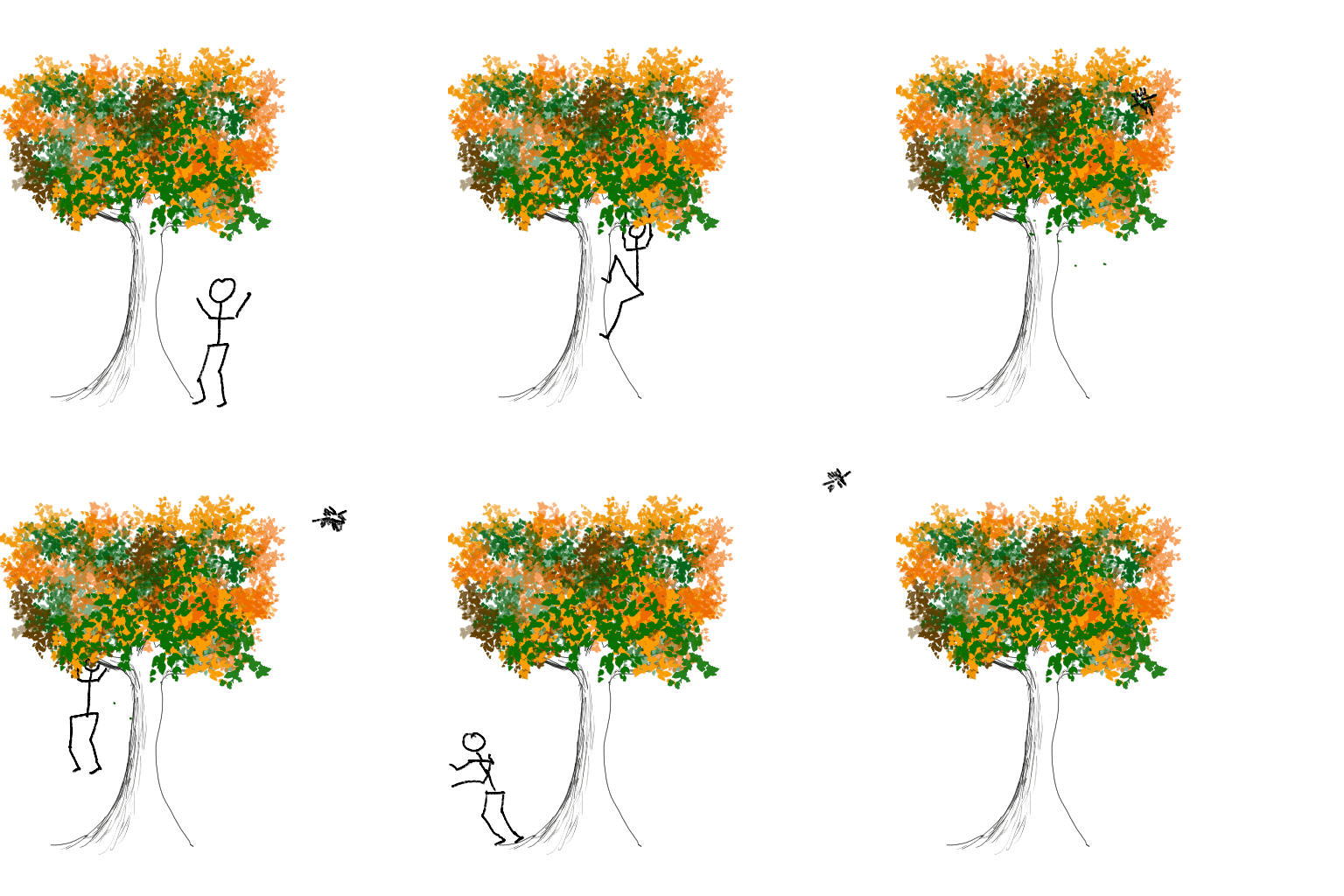
, no time nor need to ponder. In the “tree loving” session, there are easy and difficult trees. If one just does not let you climb it, you go to the next, try new ways. Later you come back and maybe the first tree works now. No thinking, just doing. Trust that your body will pick up the hints and both strength and coordination will improve. All you have to do is “don’t stop playing”!
Imitation
During the follow-me sessions you don’t have to think what to do next, you can fully focus on the movement you do at the moment, keeping your perception close to you (in space and in time).
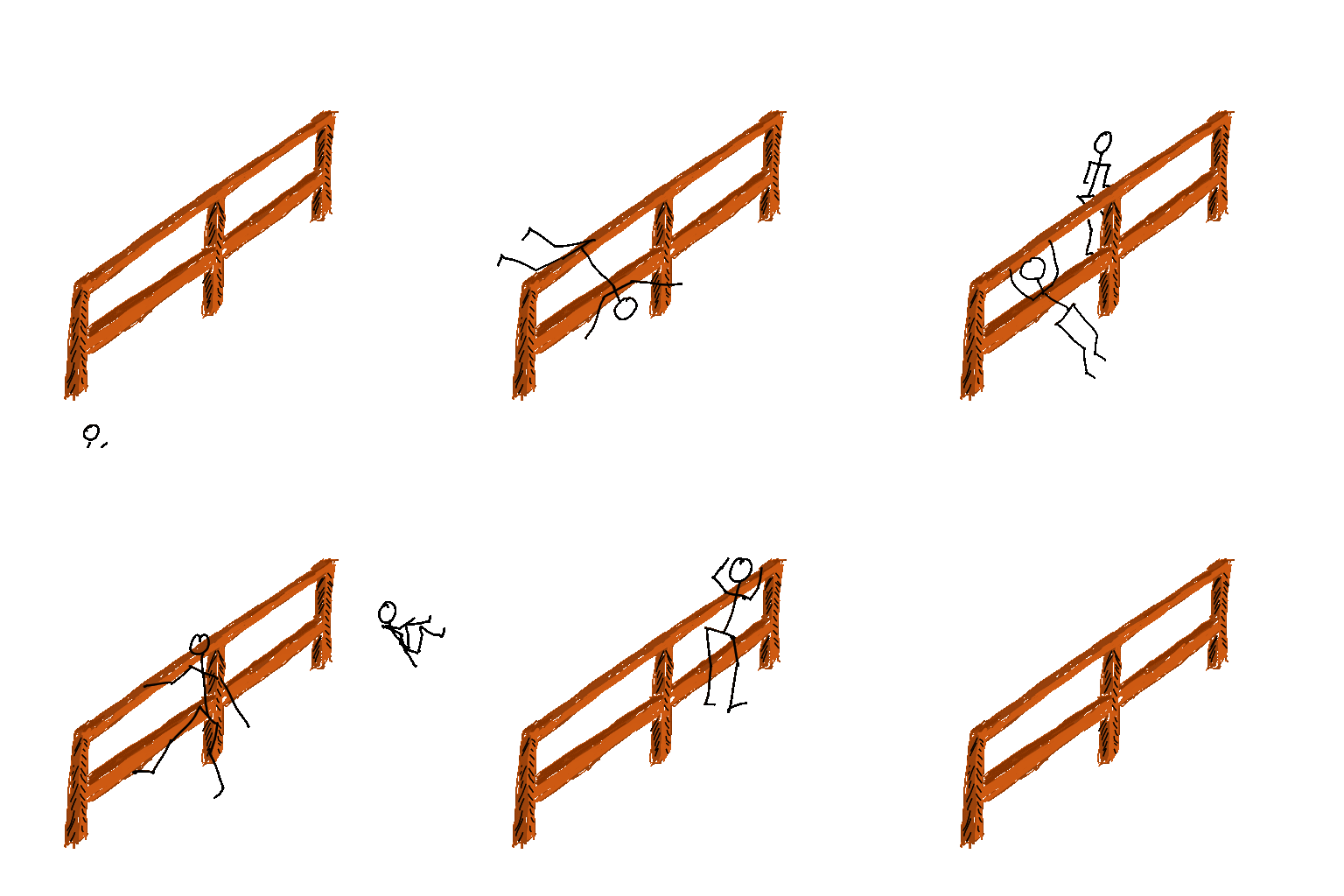
Start slow, keep going.
Technique training is harder in uncomfortable conditions. Is is more difficult to enter “playing” mode. You feel clumsy, things don’t work like they used to. What can help is to start slow, with “safe” techniques, repeating them with variations. And gradually enlarge this cloud of possible movements. Important here is not to stop and think for too long. If you doubt and don’t dare what you wanted to do, do something easier. After a while you will sweat a bit, forget about the rain, have a feeling of what works and what not and just play with that.
This is especially useful in cold, unpleasant weather.
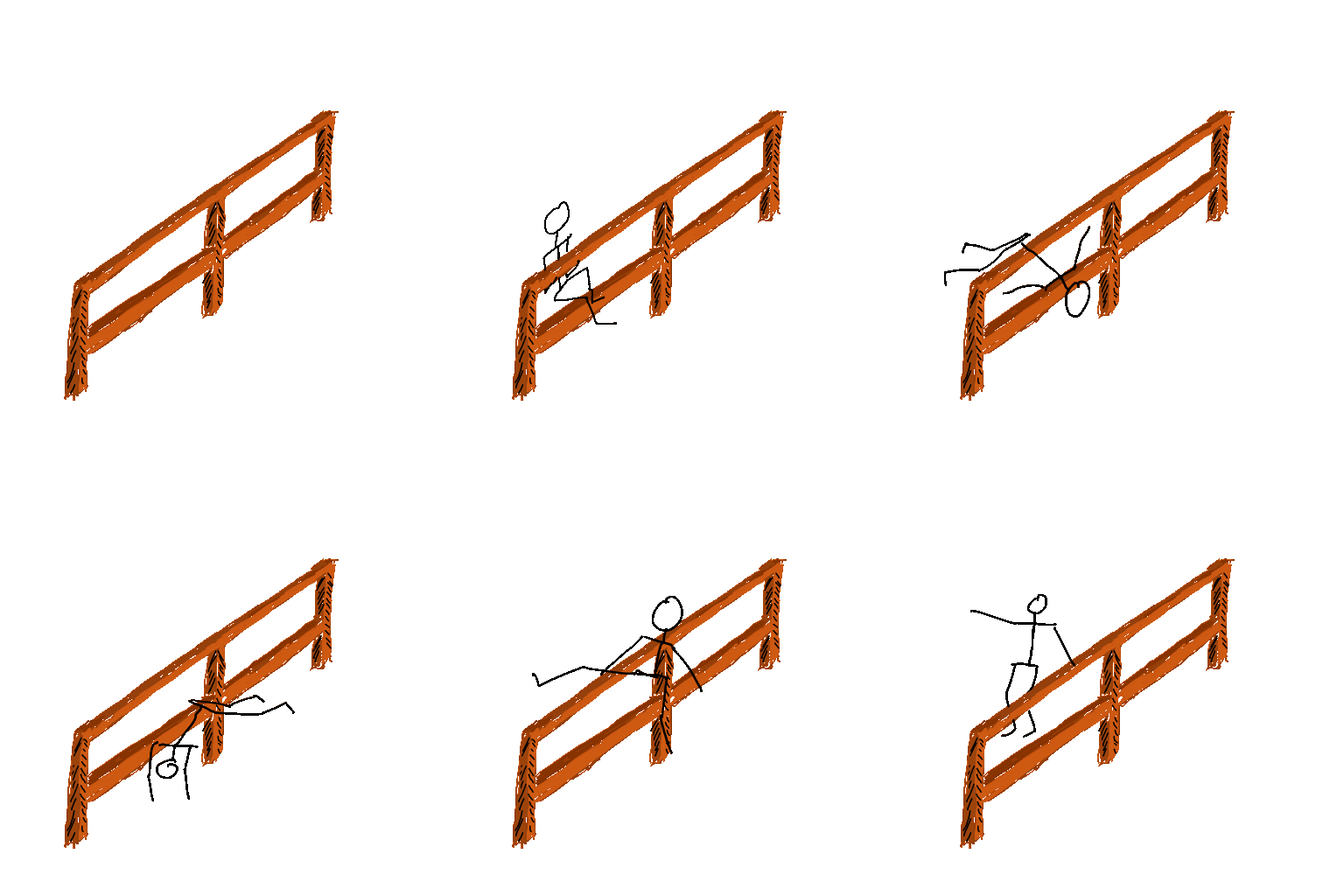
Balancing
Balancing (in subjective medium difficulty) is a great tool to facilitate entering and staying in a state of presence-awareness. Simply because in every other state you fall down all the time and this is annoying. Especially if you balance for a few minutes or more. I will write an article on that. For now: Balancing at the beginning of the training helps to be more focussed in the rest of the training.
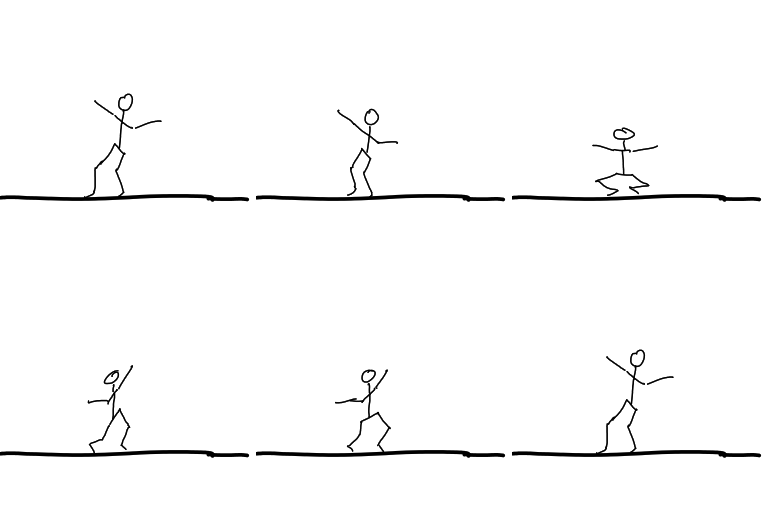
Preparation
Exhaust yourself to be exhausted.
We did the rope climbing/pushups/jumps with the goal to add exhaustion for later. This mindset can actually make exhaustion more joyful. Because “I can do no more” suddenly is not “ashaming” (it should never be, but often is..) but “reaching the goal”. This allows to observe the process of getting there without negative feelings. And even play with it.
Exhausted state
Doing the same training as before, but in an exhausted state. There is no need to “be elegant” here. Just observe what are the fallback techniques that still work. Play with the state. And have fun watching yourself and others being clumsy.
Comfort area – safe zone
We had the roof where the rope was hanging. During stronger rain there is always the possibility to stand there for a moment, having no rain. We didn’t use it much, but knowing there is a “safe place” can make playing with the “unsafe place” easier. We will use this concept more during the winter.
The Pump
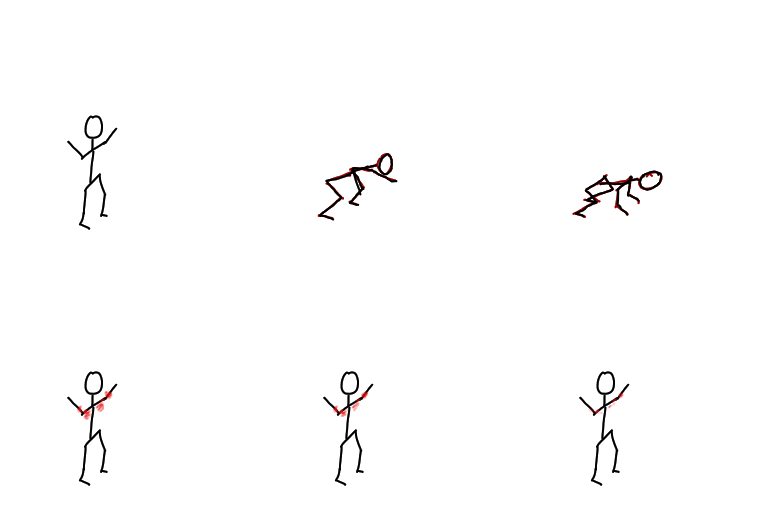
A very profane source of joy. I think the name was made popular by Arnold Schwarzenegger. It is just the tension in the muscles due to heavy blood circulation during or after strength training. Something to enjoy :).
 Train Joy